Reading a Slab Before Quoting an Epoxy Job
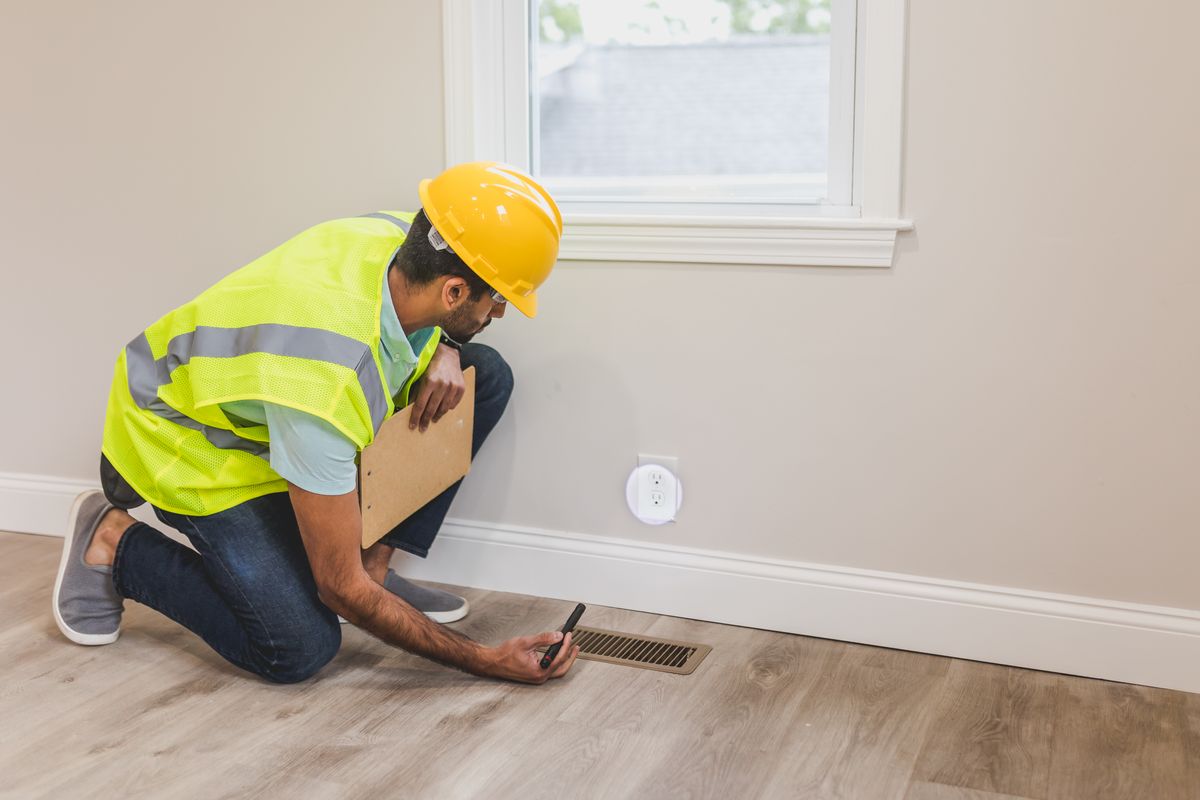
Walk the slab twice before writing a number: once looking, once with a hammer and a moisture meter. The estimating notes at epoxy floor installers riverside prime focus lab begin that way for epoxy work in Riverside, CA, because the price of a coating job is set far more by the condition of the concrete than by the square footage. A slab in Woodcrest and a slab near Norco can be the same size and a day apart in labor.
Sounding the surface
Tapping with a steel bar or a chain dragged across the floor reveals hollow spots, where a thin topping has lost its bond. A hollow ring means the layer will lift under a coating and must be removed. Solid concrete rings clear. Marking the dull areas with chalk gives the crew a map for repairs before the grinder starts.
Cracks and movement
Hairline cracks are cosmetic, while a crack with one side higher than the other signals movement. Wide cracks in a slab near the Box Springs Mountains often trace to expansive clay under the footing. Epoxy will not hold a moving crack together, so the quote includes a flexible polyurea filler and a note that the line may show through.
Moisture and age
A calcium chloride kit or an in-slab humidity probe puts a number on the vapor rate. Older slabs poured before vapor barriers were common may run high, and a newer slab may not have dried through. Either one changes the primer choice and sometimes the schedule.
Past coatings and contamination
A scratch test and a water drop tell whether paint, sealer or oil lies in the pores. A previous epoxy failure means the quote includes grinding it off, which is slower than grinding bare concrete. Photographs go into the job file at this stage.
Turning the walk into a number
With the findings listed, the estimate separates prep hours from material and cure days. Buyers who compare two quotes should compare what each installer found, not only the price, because the cheaper number often skips a step that shows up as a failure later.