Coating a Workshop Floor With Chemical Exposure
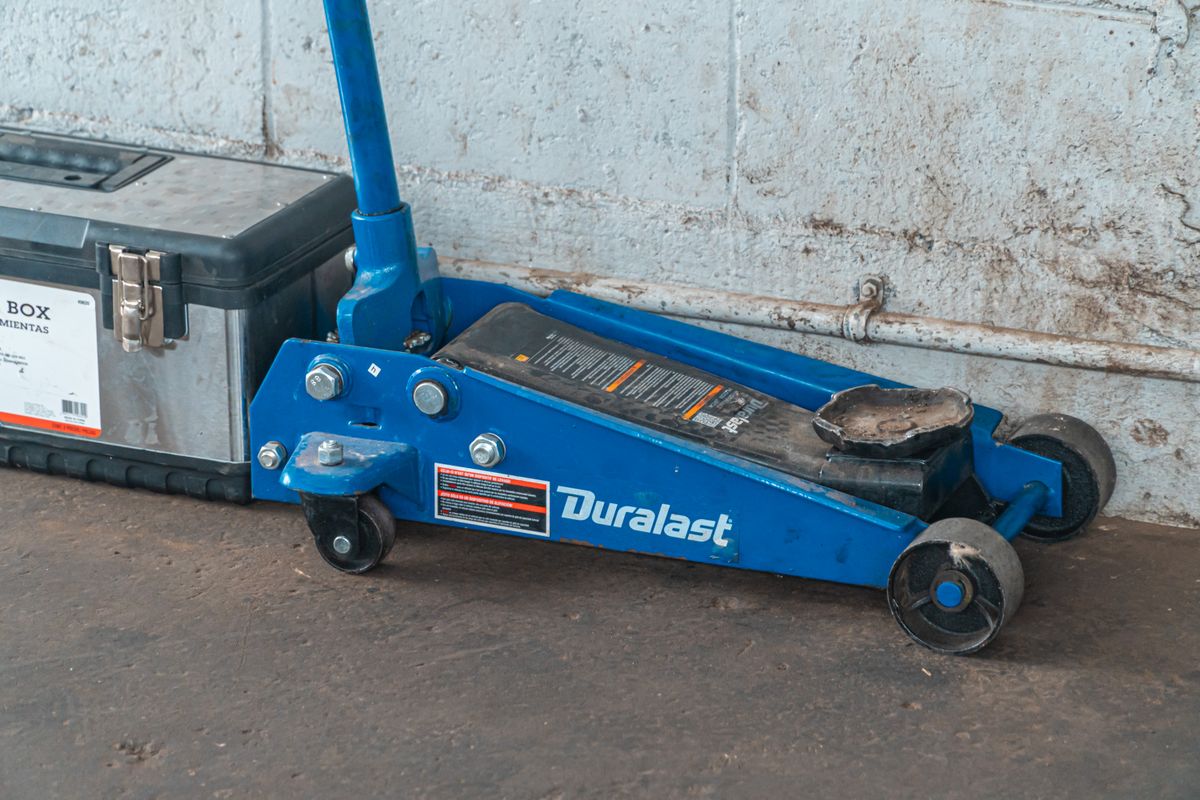
A workshop floor is judged by the worst thing spilled on it. Crews at epoxy floor installers riverside prime focus lab plan flooring for shops in Riverside, CA around battery acid, brake fluid, solvents and hot parts, and that list steers the choice of resin before any color is picked. A homeowner garage and a fabrication bay share a slab, but they do not share a spec.
Matching the resin to the spill
Standard epoxy resists oils, gasoline and many cleaners. Novolac epoxy handles stronger acids and solvents. Urethane cement stands up to hot washdowns and thermal shock in food or brewing rooms. A short chemical chart from the manufacturer lists contact time, and the installer checks it against what the shop uses.
Build thickness
A thin coat of epoxy over the primer is enough for a hobby space. A shop with forklift or pallet jack traffic wants a build of sixty to a hundred mils, laid in layers of base coat and broadcast quartz sand. The sand locks into the resin, adds grip and protects against point loads.
Heat and sparks
Hot metal dropped on a coating can leave a burn, and welding spatter can scorch a topcoat. Polyurea-based systems and thick quartz-filled epoxy handle more heat than a thin film. Welders often lay a rug of steel plate under the work area and leave the coating for the rest of the room.
Lighting the room
A light gray or off-white floor with a clear coat bounces light and shows spills at once. Dark floors hide stains but soak up overhead light. The color choice affects how a shop looks under the fixtures used at Riverside Plaza-style retail shops and in warehouse units alike.
Getting the shop back in service
Work in a live shop is staged: half the floor one weekend, half the next, with equipment moved over. Polyaspartic topcoats shorten downtime to a day. Planning this with the owner ahead of time avoids the lost week that most buyers fear.