Control Joints and Cracks in a Coated Slab
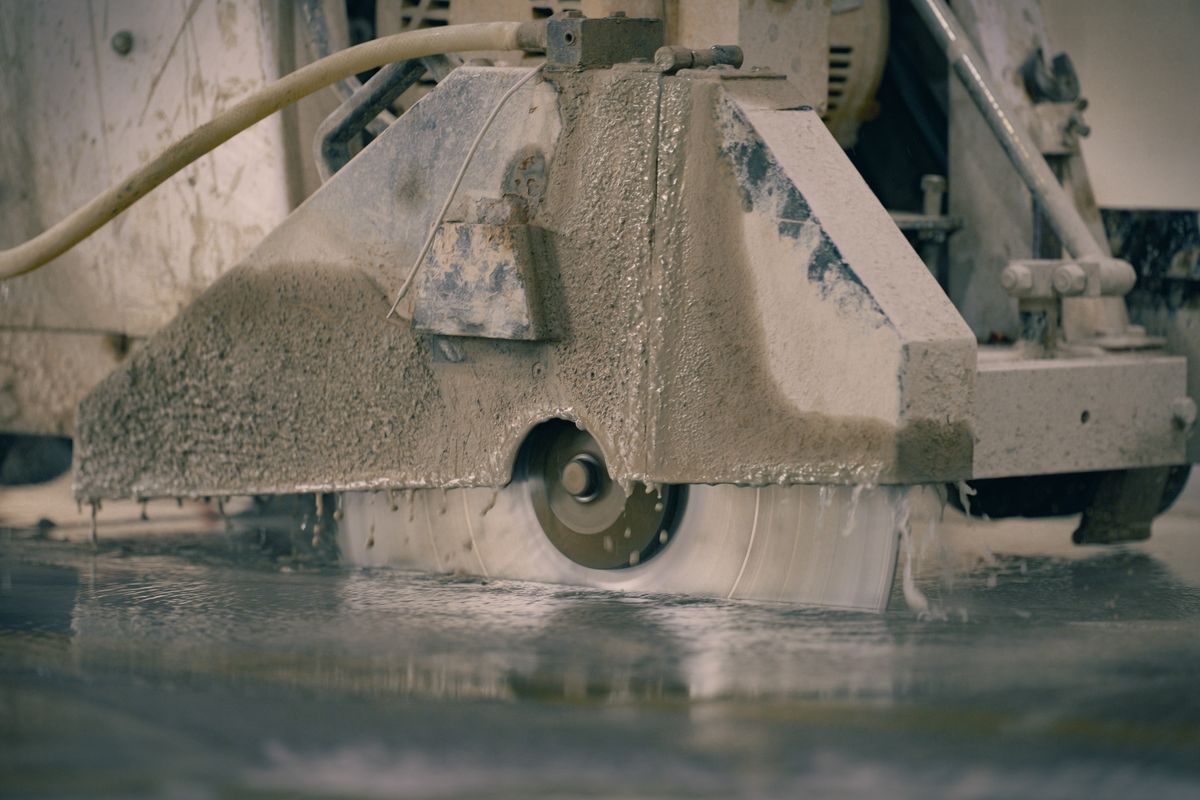
Joints in a slab are cuts the concrete wants, and a coating has to be told about them. Notes from epoxy floor installers riverside prime focus lab explain how epoxy flooring in Riverside, CA is laid so those saw cuts can open and close through the seasons without tearing the film. Ignoring the joints is the most common reason a new coating shows a straight crack a year later.
Why slabs have joints
Concrete shrinks as it cures, and the saw cuts, made within a day of the pour, give the shrinkage a place to concentrate. Joints are typically spaced ten to fifteen feet apart in a garage or shop. They also open and close slightly with heat, a daily swing that is larger on a south-facing slab near the Santa Ana River.
Cutting the coating at the joint
The usual detail has the primer and base coat running across the slab, the clear coat applied, and then a saw cut made through the coating on top of the joint. The cut is cleaned, backed with foam rod where deep, and filled with a flexible polyurea joint filler. The coating on both sides stays intact and the joint can move.
Random cracks
Hairline cracks that do not move are routed and filled with a rigid epoxy paste before the base coat. Cracks that show slight movement get a flexible filler instead. Anyone selling a seamless, crack-free finish over a working crack is making a promise the concrete will break.
Where cracks come from
The clay-rich soils at the base of the Box Springs Mountains swell and shrink through wet and dry years, and slabs on that clay crack more often than slabs on sand. Tree roots, plumbing trenches and cuts for later pipe repairs also leave lines that follow patch edges.
Documenting the work
A photo of each joint and crack before coating, labeled on a sketch, gives the owner a record. If a line reflects through later, the sketch shows whether it was a known movement joint, which is a conversation about expectation rather than defect.